
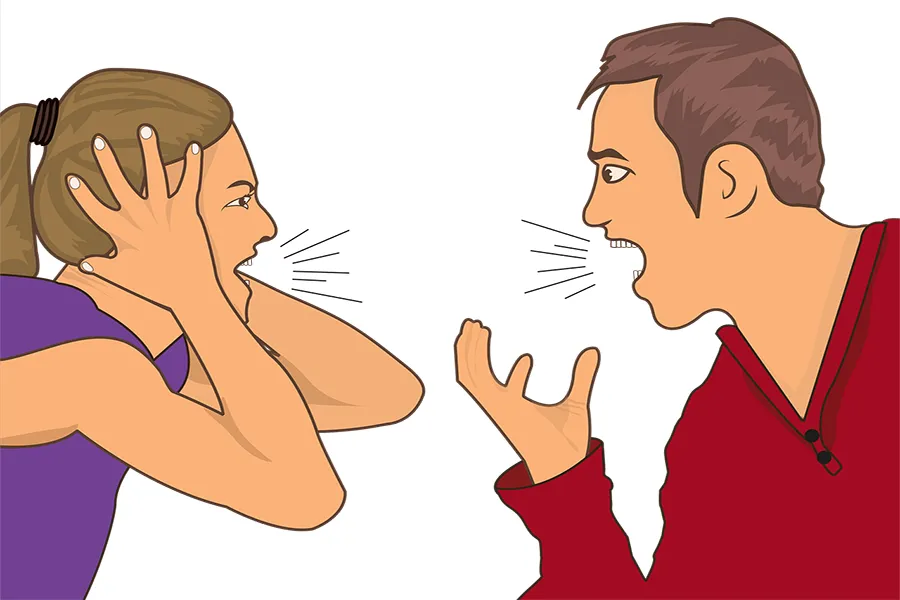
What gets your goat?
Not who, what. Which boundaries being stepped over makes you mad?
It’s good to know, because when we push anger down it shape-shifts and gets ugly for our wellbeing.
We sometimes believe that if we avoid conflict resolution with others, or ignore circumstances which make us angry, that we’re keeping the peace. Unfortunately, opting for avoidance as a habit, doesn’t give us peace of mind.
Instead take space. Come back to a discussion when we feel less triggered.
Over time, avoidance makes us feel resentful, and anxious. We spin the situation around in our head on permanent replay. Thinking what we could or should have said or how the other person was wrong/stupid etc…
Unresolved anger often leaks out in passive-aggressive words or behaviours – going quiet/giving the cold shoulder/ saying ‘fine’ when we’re not/ ‘saying whatever!’ when something matters to us.
Instead of finding resolution with the right person, so we can feel calm again, we vent to friends or replay the scenario on a loop in our heads. We probably have some relationships that are built around having a ‘good moan’ rather than true friendship? Short term it even feels good to vent – cleansing. But here’s the catch – if we don’t move towards a healthy resolution, venting makes things worse.
Here’s why. If there’s one thing we know about our brain – it’s that repetition doesn’t clear thoughts and ideas from our system, it embeds them and teaches the nervous system that those thoughts are important.
If our nervous system doesn’t feel safe, it looks for threats, so our body is primed for survival, not rest. It’s why we don’t find it easy to fully switch off or allow our body to relax.
So, if you’re looking for a habit to break this year – venting is an excellent habit to lose, resolution is the answer.
Top tip:
Sit or stand and cross your hands across the front of your chest.
Set up a steady patting rhythm
Now breathe in for 4-3-2-1 and breathe out for 6-5-4-3-2-1
The exercise works as a Vagus Nerve reset to switch your body out of survive mode.
Avoidance can be triggered by subconscious pattern recognition of trauma we experienced as kids. We were young and perhaps had to defer to over-bearing adults or bullies. Staying quiet or small was an effective survival tactic even winning us praise for being ‘good.’
Fortunately, none of that means we’re broken. We’re grown up now, we can choose healthy coping strategies and learn new habits.
Try these phrases to defuse conflict without denying yourself.
‘That doesn’t sit well with me, could we talk about it.’
‘I’d like to discuss this, but I need to take five minutes/ten minutes/an hour first.’
‘Could you explain what you mean by that?’
We can reset our nervous system, understand the past and get out of the unhealthy suppressed anger loop and back into a lasting peace – one that our nervous system recognises and believes, so it can stand down.
A place where we feel relaxed and confident.
Priceless!
Angela Cairns
A C Coaching – The Science of Self-Belief
Life Coaching for Wellness and Stress-Management