
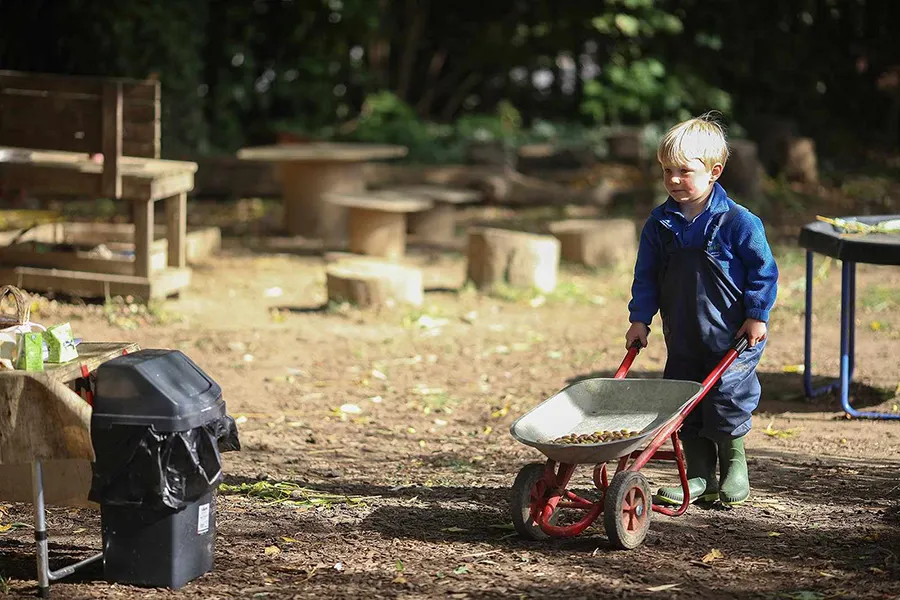
Outdoor learning is just as important as learning inside the classroom, especially for young children. Spending time in nature improves your child’s wellbeing and helps them to build valuable skills, such as confidence, problem-solving and resilience. But, as winter takes hold, fewer children spend time outdoors. So, as a parent, how can you help them get outdoors and reap the benefits?
While 70 per cent of primary schools don’t have access to nature or the outdoors, at Saplings Nursery, we have built our children’s time around being outdoors. So much so, our motto is “learning doesn’t stop, even when the weather drops”. Our nursery has been offering children the opportunity to benefit from outdoor learning for more than eight years. As a qualified Forest School practitioner who delivers year-round Forest School sessions, below are three ways that I have seen that outdoor learning can benefit your child.
Developing skills outside of the classroom
Outdoor activities such as tree climbing, sand play and den building – activities that we encourage our children to participate in – help develop your child’s gross motor skills. The younger they are, the more important this is. However, skills development outdoors isn’t just confined to physical skills. By providing a safe environment for children to explore and follow their interests, you enable them to experience the rewards of owning their decisions and the outcomes. Free from the expectations of a typical nursery classroom, our children are more likely to challenge themselves and take manageable risks, which builds their independence and prepares them for the challenges of the classroom.
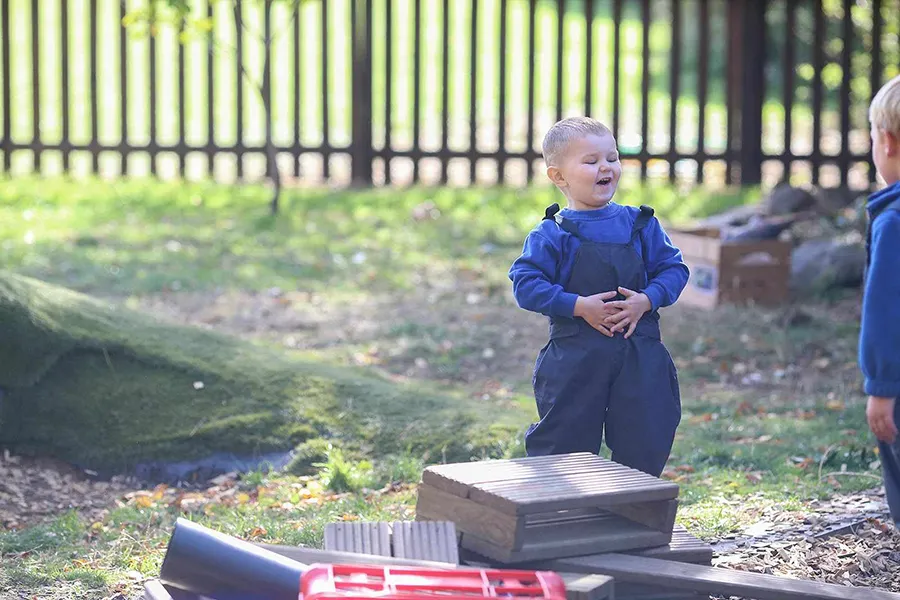
Playing and learning outdoors can also help your child grow in creativity. Last term, our children used home-grown potatoes from our onsite vegetable patch that they helped to farm, to design and print their own t-shirts. They were so proud to show off their designs to their families! Embedded into our Forest School learning at a young age is also an emphasis on phonics. Our Forest School leaders and children are encouraged to choose a Forest School name that is represented by a natural item, such as an animal or plant. By sounding out their name, they learn to connect sounds and letters. You can try this at home by encouraging them to find items that start with the same letter as their own name and sound out the letters for the word, such as an apple for a child named Adam.
Building environmental awareness outdoors
Spending regular time outdoors exposes your child to a variety of wildlife, plants and weather systems. By directly experiencing natural environments such as your garden or a park, your child forms a connection with the world around them, which motivates them to protect it. Learning about animals and plants also helps your child to understand how their actions impact an interconnected ecosystem.
Simple activities around the home that you may already do, like composting and gardening, can help them better understand the impact of sustainable actions – they just need to get involved. Building a bug hotel or fairy house with materials like sticks and leaves teaches them a respect for natural resources.
At Saplings Nursery, this happens from just three years old and continues throughout their time at Runwell Community Primary School. Our children enjoy bug hunts to learn about the role of insects in the ecosystem, and we have an onsite compost heap to help children who don’t have access to one at home learn about food waste and its impact on the environment.
Supporting children’s health and wellbeing
Outdoor learning also promotes a healthy and active lifestyle through physical movement. Just like adults, children also benefit from spending time outdoors in the fresh air. Nearly all of us (eight in 10) find that spending time in nature makes us feel more energetic and healthier, and this is the same for children.
Structured time outdoors can also provide children with the chance to learn more about how plants grow, which can lead to a better understanding and appreciation of fruit and vegetables. This is particularly helpful if your child still struggles to eat them! Small pots or containers can be used to grow seeds from scratch together and visits to local farms are also fun ways to talk about where your food comes from. Most exciting is when your child gets to pick their own fresh fruits or vegetables to snack on. At our nursery, children help to grow vegetables, such as radishes, and we often pick these for nursery snacks.
So, whether you decide to take a family walk, build a den or grow your own veggies, you are helping your child develop into a happy, healthy and environmentally conscious learner. Our nursery places fill up quickly, so if you are interested in learning more, visit: https://runwellprimary.co.uk/outdoor-nursery/
Sarah Hurlock, Nursery Manager, Saplings Nursery and Runwell Community Primary School