
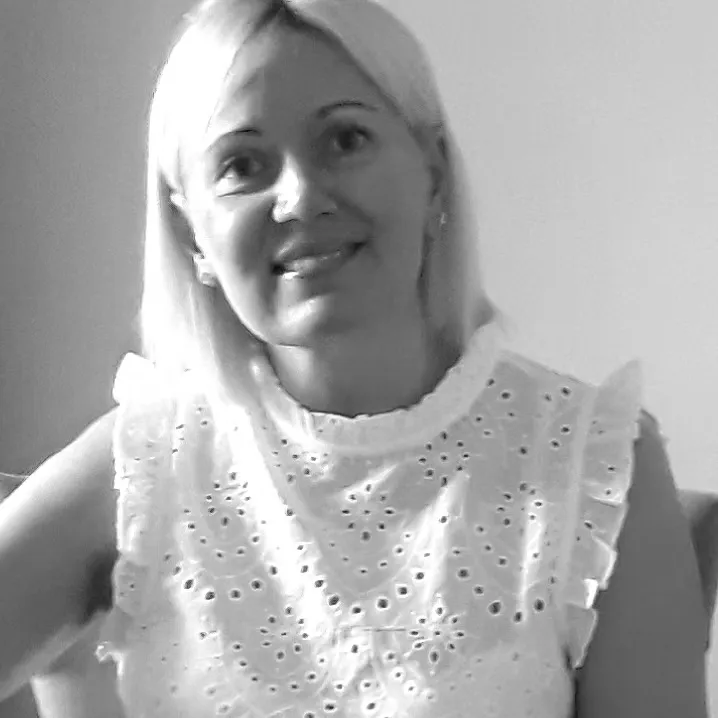
Hi, I’m Sonia, a counsellor and hypnotherapist based in South Woodham Ferrers, and I’ve been working in this field for over 10 years.
I wanted to share a little about the work I do.
Much of my work involves helping clients gain a deeper understanding of themselves and make sense of why they’re feeling the way they do. When someone comes to me experiencing symptoms such as anxiety or depression, my focus is on understanding the root cause, because that’s what
needs treating.
The first thing I look at is what’s happening in their current life. Are they in an unhealthy
relationship? Are they struggling at work, worried about money, or dealing with ill health? If none of these seem to explain their symptoms, we look a little deeper.
Often, unresolved experiences from the past can continue to affect us without us realising it. Grief, trauma, or difficult life events that haven’t been fully processed can have a significant impact on our
mental and emotional wellbeing.
I’m also trained to recognise when someone’s difficulties may be linked to neurodivergence, such as ADHD or autism. With greater awareness in recent years, many more children are being diagnosed,
and because these conditions can run in families, many adults are now discovering they are neurodivergent too. For many people, it’s not about having a label—it’s about finally understanding themselves.
Historically, research into ADHD focused mainly on hyperactive boys. As a result, many girls were overlooked for years, sometimes decades. Their hyperactivity was often internal rather than physical, and they were more likely to be described as daydreamers, shy, or simply distracted.
Women often present differently to men, which is one reason the average age of diagnosis for women has traditionally been much later than for boys. ADHD can present in different ways, including predominantly hyperactive, predominantly inattentive, or combined presentation. Some people also have both ADHD and autistic traits, often referred to as AuDHD.
In an ADHD brain, dopamine—the neurotransmitter involved in motivation, reward, and pleasure—is regulated differently from a neurotypical brain. This can make motivation, focus, and task
initiation more challenging. It can also increase the likelihood of seeking dopamine through activities such as scrolling on a phone, shopping, gambling, excessive caffeine or sugar
consumption, alcohol, or other addictive behaviours.
For many women, symptoms become much more noticeable during perimenopause, when hormonal changes can significantly affect ADHD symptoms, making it much harder to continue masking or coping in the ways they always have.
Many neurodivergent people also find they have a shorter social battery and need more time to rest and recover after social interaction.
There are many ways to support the brain and improve day-to-day wellbeing. Simple lifestyle changes can make a real difference, such as stretching in the morning, getting outside into daylight
early in the day, drinking water before coffee, eating a protein-rich breakfast, moving your body regularly, prioritising good sleep, creating a relaxing bedtime routine, and avoiding your phone for
at least an hour before bed where possible.
If any of this sounds familiar, the good news is that access to ADHD assessments has improved.
Through the NHS Right to Choose pathway, eligible patients in England can often be referred to approved independent providers, which may reduce waiting times compared with some local NHS services.
An ADHD diagnosis must be made by a qualified psychiatrist or another appropriately qualified clinician working within an ADHD assessment service. As a counsellor and hypnotherapist, I can’t
diagnose ADHD, but I can often recognise when someone’s presenting difficulties may be ADHDrelated and support them in seeking the right assessment if appropriate.
If you’d like to explore what’s behind your anxiety, low mood, overwhelm, or other emotional difficulties, I’d be happy to help you better understand yourself and find the support that’s right for you.
Thanks for reading.
Sonia